

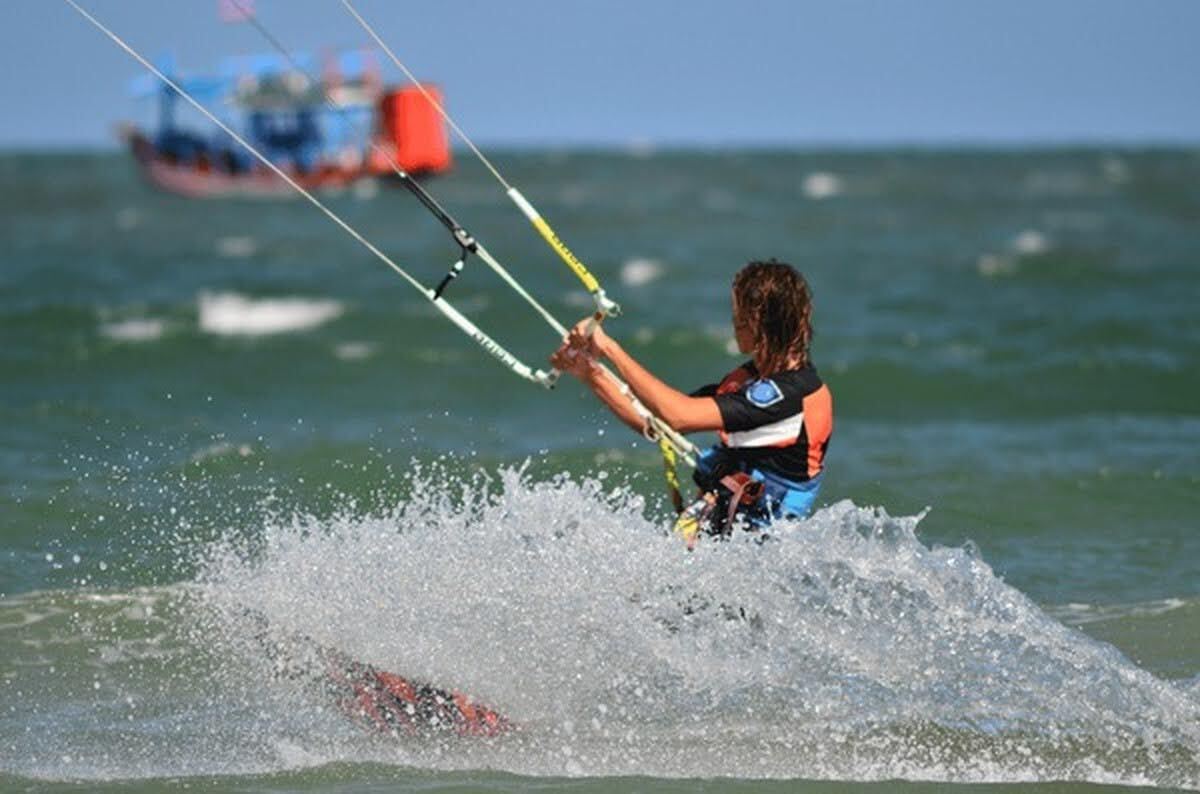
Kiteboarding is one of the most rewarding water sports you can try in Turks & Caicos. But before you take off on the turquoise waters, it’s important to understand the skills needed for kiteboarding and what beginners should focus on.
Whether you’re curious about your first lesson or planning a full kiteboarding course, this guide will help you prepare and get the most out of your time with Fly TCI.
Why Learning Kiteboarding Skills Matters
Kiteboarding combines balance, coordination, and awareness of wind and water conditions. Beginners who focus on core skills will progress faster and enjoy the experience safely.
Some of the key reasons to master the basics include:
- Better control of the kite and board
- Reduced risk of injuries
- Smoother learning curve and faster progress
- More confidence on the water
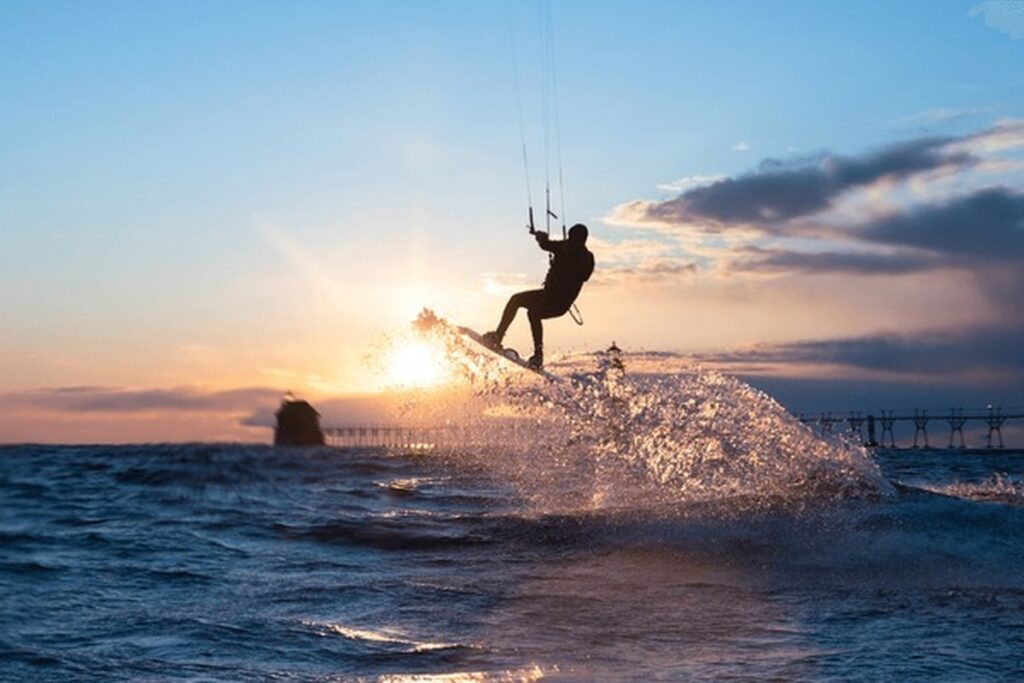
If you’re planning your first trip, check our beginner kiteboarding guide in Turks & Caicos for step-by-step lessons and tips.
1. Understanding Wind and Kite Control
The first skill every beginner needs is learning how to read the wind and control the kite. This includes:
- Launching and landing the kite safely.
- Steering and adjusting power.
- Body positioning and stance.
Mastering kite control on land before hitting the water is essential. Your instructor at Kiteboarding in Turks and Caicos will guide you through these basics.
2. Kiteboarding Fitness and Balance
Balance and core strength are crucial for kiteboarding. Even short rides require stability and coordination. Beginners should focus on:
- Core exercises to improve stability
- Leg and ankle strength for riding and turns
- Flexibility for body control and recovery
For extra guidance on water sports fitness, see our blog on the health benefits of kitesurfing.
3. Water Safety Skills
Safety is a priority in kiteboarding. Beginners should learn:
- Self-rescue techniques.
- Identifying safe zones for riding.
- How to avoid obstacles and other watercraft.
Safety training helps you ride confidently and enjoy the sport without unnecessary stress.
4. Body Dragging Technique
Body dragging is a beginner-friendly exercise to practice kite control in the water without a board. This helps you:
- Understand kite pull.
- Build confidence in handling the kite in different wind conditions.
- Prepare for water starts.
Your instructor at Fly TCI will walk you through this technique step by step.
5. Water Start and Riding
The water start is one of the first major milestones in learning kiteboarding. To succeed, beginners should focus on:
- Correct body positioning.
- Coordinating kite power with board movement.
- Maintaining balance while getting up.
This is often the stage where students feel the most accomplishment, and it’s crucial for progressing to longer rides.
6. Steering and Turning
Once you’re riding, the next skill is steering and controlling direction. Beginners should learn:
- How to edge the board to turn smoothly
- Using kite angles for speed and control
- Avoiding abrupt movements that cause falls
Steering techniques make your rides more enjoyable and open the door to exploring larger areas of water.
7. Kiteboarding Etiquette
Knowing the rules of the water is part of being a responsible kiteboarder. Some etiquette tips include:
- Respecting right-of-way.
- Maintaining distance from other riders.
- Communicating with hand signals.
Following proper etiquette ensures the safety of everyone and enhances your experience.
FAQ: Skills Needed for Kiteboarding
Q1: How long does it take to learn beginner kiteboarding skills?
Most beginners can start riding within 6–10 hours of lessons, spread over 2–3 days, depending on wind conditions and their prior fitness level.
Q2: Do I need to be fit to start kiteboarding?
Basic fitness helps, especially core strength and balance, but instructors guide you through techniques to manage early lessons safely.
Q3: What equipment is necessary for beginners?
Your instructor provides all essential gear, including kite, board, harness, and safety equipment.
Q4: Can anyone learn kiteboarding?
Yes! With proper guidance, most people of varying ages and skill levels can learn. Always start with lessons from certified instructors.
Q5: Where is the best place to learn kiteboarding?
Providenciales in Turks & Caicos is ideal. Check out our guide on the Best place to learn kiteboarding for more details.
Book Your Kiteboarding Experience with Fly TCI Today!
Ready to ride the waves and feel the thrill of kiteboarding? Call us now and book your kiteboarding adventure with Fly TCI, your mind and body will thank you for this unforgettable Providenciales experience!Don’t forget to explore our other activities, including E-Foil Surfing Rentals and Lessons, Wake Surfing in Providenciales, and Lift Foils for a complete water sports experience.